Application of Air-to-Water Generators in Post-Disaster Reconstruction: An Effective Solution to High Temperatures
Dec 26, 2025
With the intensification of global climate change, the frequency and intensity of natural disasters are gradually increasing. Especially under high-temperature conditions, droughts, floods, and other extreme weather events occur frequently, posing severe challenges to people's lives and survival. Against this backdrop, air-to-water generators, as an emerging water resource solution, are gradually gaining attention, particularly during post-disaster reconstruction, where their potential role is widely recognized.
I. Working Principle of Air-to-Water Generators Air-to-water generators extract water from the air using water vapor. The equipment condenses water vapor in the air into liquid water through condensation technology, which then undergoes multiple filtration and disinfection processes, making the extracted water safe for drinking. Compared to traditional water sources, air-to-water generators can effectively address the problem of water scarcity in high-temperature environments.
II. Challenges Under High Temperatures Under high-temperature conditions, post-disaster reconstruction faces the following challenges:
Water Shortage: High temperatures accelerate water evaporation, leading to a sharp reduction in available water resources, especially in drought-affected areas.
Drinking Water Safety: Traditional water sources may be threatened by floods or pollution, necessitating the search for safe and reliable alternatives.
Resident Health Issues: High temperatures easily lead to health problems such as dehydration and heatstroke, requiring an urgent guarantee of sufficient drinking water.
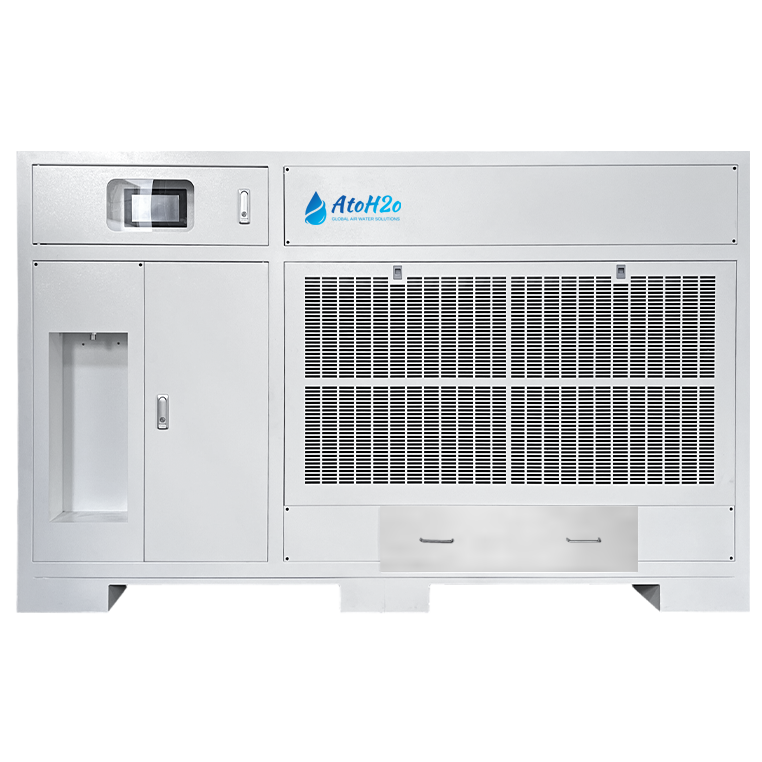
III. Advantages of 500L atmospheric water generator
In post-disaster reconstruction, air-to-water generators can effectively address the challenges posed by high temperatures through the following advantages:
Providing Independent Water Sources: Air-to-water generators do not rely on traditional water sources and can be self-sufficient in high-temperature weather and water-scarce areas, providing a stable drinking water supply to disaster-stricken residents.
Ensuring Drinking Water Safety: Through multiple filtration and disinfection processes, the water extracted by air-to-water generators is safe to drink, significantly reducing the risk of water source contamination.
Adapting to Various Environments: The flexibility of air-to-water generators allows for use in various environments, including temporary shelters, community centers, and on-site command centers, enabling rapid deployment.
IV. Practical Application Cases
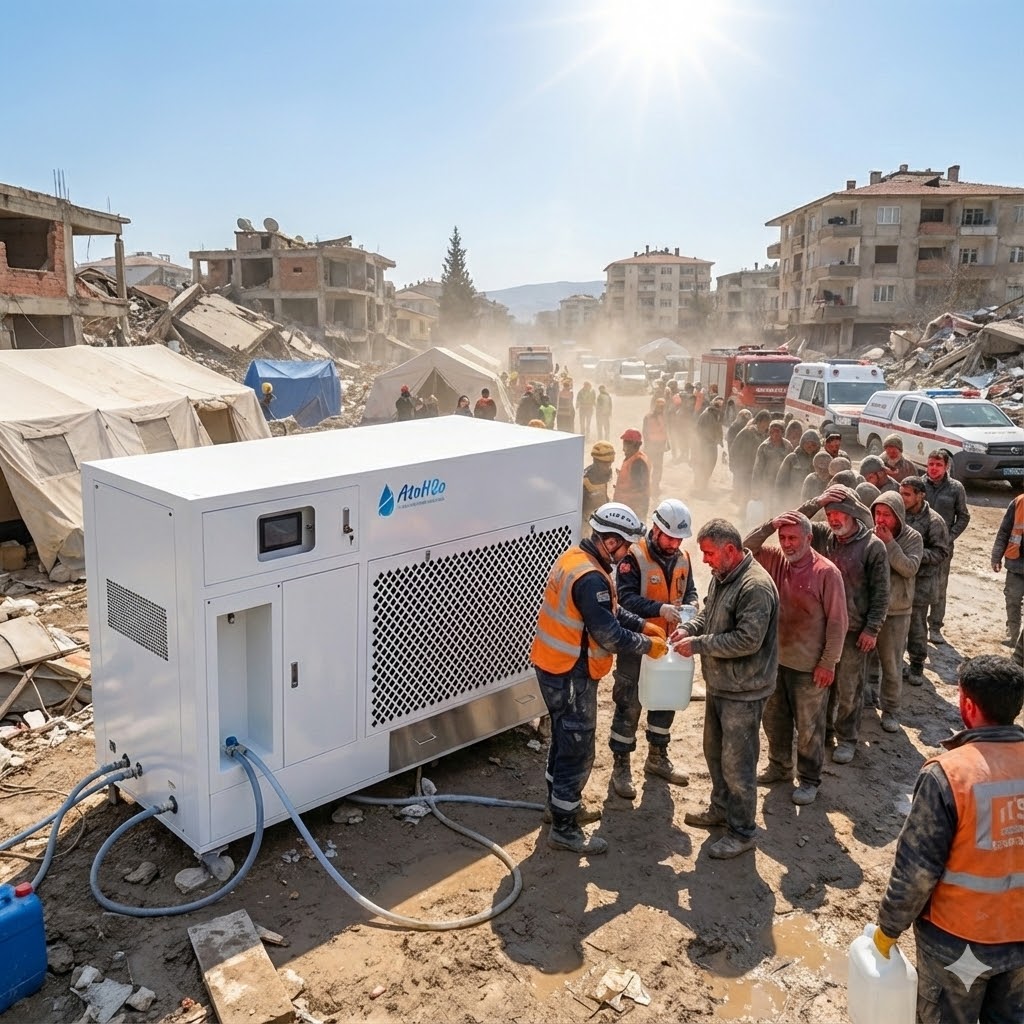
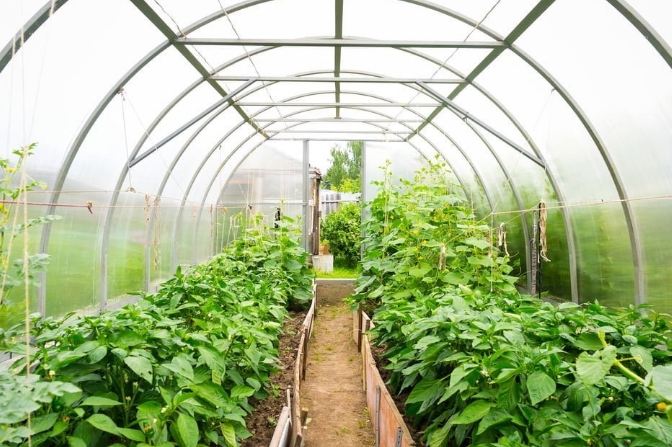
In post-disaster reconstruction in certain areas, Atmospheric water generator for agriculture have demonstrated excellent application results. For example, in a Southeast Asian country experiencing drought, the government and NGOs jointly deployed air-to-water generators to provide drinking water in temporary shelters and communities. Affected residents not only gained access to fresh water quickly, but the equipment was also relatively easy to operate and quick to learn.
Furthermore, in some disaster areas, traditional water treatment and transportation facilities were unable to function properly due to damaged infrastructure. The widespread adoption of air-to-water generators allowed residents in many remote areas to extract moisture directly from the air, alleviating the drinking water crisis and improving their quality of life.
V. Future Prospects
Looking to the future, Atoh2o air-to-water generators have enormous potential for application in post-disaster reconstruction. With technological advancements, the energy efficiency and water extraction efficiency of the equipment will continue to improve, and costs will gradually decrease, making them easier to promote. In addition, air-to-water generators combined with renewable energy sources (such as solar energy) will further enhance their adaptability to high-temperature and drought environments, providing solutions to water crises caused by various climates.
In hot weather, air-to-water generators, as an innovative water source solution, can provide remarkable support for post-disaster reconstruction. Air-to-water generators will be an important tool for enhancing post-disaster recovery capabilities and helping to build more resilient communities and societies, addressing water shortages, ensuring safe drinking water, and improving the quality of life for residents.






 Network Supported