Atmospheric Water Generator solution provider
Home

commercial atmospheric water generator

commercial atmospheric water generator

  • Sustainable Water Solutions: Solar-Powered Air-to-Water Machines in Lima, Peru
    Sustainable Water Solutions: Solar-Powered Air-to-Water Machines in Lima, Peru Nov 28, 2025
      As the world continues to face the challenges of water scarcity, innovative solutions are crucial. One of the most promising technologies is the Air-to-Water machine, which can extract moisture from the air and convert it into clean water. In this blog post, we'll explore the specifications of various Air-to-Water machines and their solar-powered solutions, particularly suited for Lima, Peru. What is an Air-to-Water Machine? Air-to-Water machines utilize advanced technology to extract humidity from the air and convert it into drinkable water. This process typically involves cooling the air to condense water vapor, which can then be collected, filtered, and stored for use. These machines are especially effective in humid climates, making them a viable solution for areas like Lima. Solar-Powered Solutions To enhance sustainability, integrating solar energy into Air-to-Water machines provides a renewable energy source that can significantly reduce operational costs. We will compare three different capacities of Air-to-Water machines available with solar energy systems: 1. 100L Air to Water Machine Power Consumption: 2.3 kW Daily Water Production: 250 liters Daily Energy Consumption: Approximately 43.2 kWh Battery Storage: 50 kWh Solar Panel Capacity: 40 kW (65 panels of 615W each) Inverter: 40 kW This model is ideal for smaller households or community operations. It balances energy consumption with effective water production, utilizing a robust solar system to power its needs. 2. 250L Air-to-Water Machine Power Consumption: 3.6 kW Daily Water Production: 520 liters Daily Energy Consumption: Approximately 79.2 kWh Battery Storage: 150 kWh Solar Panel Capacity: 75 kW (115 panels of 650W each) Inverter: 80 kW The 250L machine effectively doubles the water production, making it suitable for medium-sized operations or small communities. Its larger battery capacity allows for extended usage, ensuring a reliable water supply. 3. 500L Air-to-Water Machine Power Consumption: 6.5 kW Daily Water Production: 520 liters Daily Energy Consumption: Approximately 156 kWh Battery Storage: 300 kWh Solar Panel Capacity: 150 kW Inverter: 150 kW The 500L model is designed for larger communities, providing an extensive water supply with the capacity to meet high demand. This system’s solar array is substantial, ensuring that energy needs are met efficiently. Pricing and Cost-Effectiveness While the pricing for solar components and energy storage can vary, here is a breakdown of the estimated costs for the systems discussed: Solar Panels: Approximately $0.50 per Watt Energy Storage: Approximately $112 per kWh These costs include all necessary components such as photovoltaic brackets, DC junction boxes, AC distribution cabinets, battery racks, cables, circuit breaker protectors, and lightning protection systems. Given the potential for export, please note that prices may differ, and calculations will need to be tailored accordingly. Conclusion Solar-powered atmospheric water generators present a viable solution to water scarcity, particularly in regions like Lima, Peru. By harnessing the power of the sun, we can ensure a sustainable, reliable, and independent water supply for communities in need. Explore more about these innovative solutions and learn how you can incorporate them into your water management strategy at AtoH2O. Together, we can create a sustainable future. Feel free to make additional adjustments if necessary!
  • How do air-to-water generators ensure the purity and health of every drop of water?
    How do air-to-water generators ensure the purity and health of every drop of water? Nov 21, 2025
    You can trust air-to-water generators to give you pure water every day. These machines use advanced purification steps so you always get water that is safe to drink. When you use atmospheric water generators, you avoid harmful chemicals and germs found in other sources. Water from air feels clean and fresh, helping you stay healthy. Clean water means better health for you and your family.   Key Takeaways Air-to-water generators provide pure drinking water by using advanced filtration methods that remove harmful contaminants. These machines work best in humid environments, making them a reliable water source in areas with high moisture levels. Regular maintenance, including filter changes and cleaning, ensures the water remains safe and fresh for consumption. The combination of UV sterilization and reverse osmosis guarantees water free from bacteria, viruses, and heavy metals. Choosing air-to-water generators supports environmental sustainability by utilizing atmospheric moisture and reducing reliance on traditional water sources.   Atoh2o Air-To-Water Generators: How They Work Capturing Water From Air You might wonder how air-to-water generators make water from air. These machines use smart technology that extracts moisture from ambient air. The process starts by pulling air into the system. Inside, the generator cools the air, condensing the humidity into water droplets. This step mimics how rain forms in nature. Some atmospheric water generators use salts or desiccants to help collect even more moisture, especially when the air is dry. Tip: Air-to-water generators work best in places with high humidity. In regions with lots of moisture in the air, these machines can serve as your main water source. In drier areas, you may only use them as a backup or during seasons when humidity rises. The efficiency of atmospheric water generators depends on the temperature and humidity around you. When the air is dry, the amount of water produced drops. If you live in a low humidity region, you might notice that these machines do not make as much water from air. This means air-to-water generators need ideal conditions to work at their best.   Initial Filtration Steps After collecting water from the air, the system uses a high-efficiency air filter to remove dust and particles. This first filtration step keeps the water clean from the start. The air-to-water generators then move the water through multi-stage filtration. You get extra protection against contaminants. Each filtration stage targets different impurities, so you can trust the water from air to be safe. You benefit from advanced filtration that removes bacteria, viruses, and other harmful substances. The process ensures that every drop meets high standards for purity. With these steps, atmospheric water generators give you fresh, healthy water, even in places with limited water resources.   Purification Process For Safe To Drink Water Multi-Stage Filtration You get clean drinking water from air-to-water generators because they use multi-stage filtration. This process removes dust, chemicals, and other impurities. Each stage targets a different type of contamination. You can see how the system works in the steps below: The anti-static air filter traps dust particles from the air. The pre-carbon water filter removes organic compounds and free chlorine. The post-carbon water filter protects the reverse osmosis membrane and removes more contaminants. The TCR filter adsorbs organic contaminants. The lower tank carbon filter keeps large impurities away from the water booster pump. Reverse osmosis eliminates micro impurities and harmful substances. Multi-stage filtration helps you get potable water that is free of heavy metals and safe for your family. You benefit from this advanced purification because it removes bacteria, viruses, and heavy metals. The system makes sure your water from air is clean drinking water every time.   UV Sterilization & Reverse Osmosis You need water that is free of bacteria and viruses. Atmospheric water generators use uv sterilization to make sure your water is safe. The system exposes water to UV light, which damages the DNA or RNA of microorganisms. This process, called uv purification, stops bacteria and viruses from multiplying. UVC light, especially around 254 nanometers, works best for sterilization. Studies show that uv sterilization can reduce viral loads by up to 99% in seconds. UV purification works in flow-through reactors, so all water gets enough exposure. UVGI targets bacteria like Escherichia coli and Staphylococcus aureus. It also inactivates viruses such as influenza and coronaviruses. Reverse osmosis is another important step in purification. You get potable water that is free of heavy metals like lead and asbestos. Reverse osmosis systems can remove up to 99% of contaminants. This level of filtration is much higher than traditional methods. You can trust that your clean drinking water is safe and pure. UV sterilization and reverse osmosis work together to protect you from contamination.   Mineralization & Taste After multi-stage filtration and uv purification, the water may taste flat. You want water that tastes fresh and natural. The mineralization step adds essential minerals back into the water. This process improves the taste and makes the water healthier for you. You get clean drinking water that is not only pure but also pleasant to drink. A table below shows how each step in the purification process helps you: Purification Step What It Removes Benefit to You Multi-stage filtration Dust, organic compounds, chlorine, large impurities Clean drinking water UV sterilization Bacteria, viruses, protozoa Water free of bacteria Reverse osmosis Heavy metals, micro impurities Water free of heavy metals Mineralization Adds minerals Better taste, health You can rely on air-to-water generators for clean drinking water that is free of contamination and safe for your family.   Storage & Dispensing In AtoH2o 250L Commercial Industrial Atmospheric Water Generator Image Source: pexels   Maintaining Water Quality You want your water from air to stay pure after filtration. Air to water generator use special storage tanks to keep water quality high. These tanks use conservation methods that prevent recontamination. Ozone treatment helps oxidize and remove toxins or contaminants that might remain after filtration. This process stops bacteria from growing inside the tank, so your water stays safe. The system also uses UV sterilization and charcoal filters to keep water fresh. You can trust these features to protect your health. Regular inspections help you spot any changes in color or particles. Home water testing kits let you check for contamination quickly. If you ever doubt the safety of your water, boiling it adds another layer of protection. Here is a table showing how each stage helps maintain water quality and safety: Stage Description Air Intake and Assessment The system draws air and checks moisture for best extraction. Condensation Humid air cools, forming water droplets. Filtration and Purification Water passes through filters to remove contaminants and ensure safety. Storage and Distribution Purified water stays in tanks with systems to prevent stagnation and keep it fresh.   Hygienic Dispensing You get clean water every time you use air-to-water generators because they focus on hygienic dispensing. The system uses sealed taps and food-grade tubing to prevent outside germs from entering. You can fill your glass or bottle without touching the inside of the dispenser, which keeps your water safe. To keep your atmospheric water generator working well, follow these steps: Clean air filters and water tanks often. Replace filters every 6 to 12 months, depending on use. Check for leaks or damage. Monitor taste, odor, and clarity. Follow the manufacturer's instructions for maintenance. These steps help you enjoy a consistent source of water that is safe and environmentally friendly. You get peace of mind knowing your water stays fresh and pure over time. Tip: Regular cleaning and filter changes keep your water safe and tasting great.   Comparing Water From Air To Other Sources Purity & Safety Standards You want the purest water for your family. Air-to-water generators give you water from air that often surpasses the quality of tap and bottled water. These machines use advanced filtration, including activated carbon and UV-C treatment, to remove contaminants and pathogens. You can trust the water because it meets or exceeds World Health Organization drinking water standards. Municipal tap water sometimes contains impurities, and bottled water can vary in quality. Some bottled water is just reprocessed tap water and may have unsafe levels of impurities. Air-to-water generators use multiple filtration layers for extra safety. You get consistent water quality that you can monitor in real time. The system keeps water free from bacteria, viruses, and heavy metals. You also benefit from strict safety standards. These systems check water purity, air quality, and microbial growth. They follow electrical safety rules to prevent hazards. You can feel confident that your water stays safe every day.   Health Benefits & Reliability You need reliable access to clean water. Air-to-water generators provide a steady supply, even in places with limited water sources. You get water from air, so you do not depend on rivers, lakes, or underground wells. These machines work well in emergencies and can help during water shortages. They use the moisture in the atmosphere, making them a sustainable choice. Here is a table comparing features of air-to-water generators with traditional water sources: Feature Description Value You save money over time with cost-effective water production. Capacity You get a consistent amount of water every day. Filtering Multi-stage filtration keeps your water safe to drink. Energy Needs You can use renewable energy to run the system, making it reliable in many settings. Quality You enjoy fresh, great-tasting water that meets safety standards. You also help the environment. Air-to-water generators use humidity to make water, which reduces waste and the ecological footprint. These systems can run on solar power, making them even more sustainable. You support water security in your community, especially in areas with scarce or polluted water. Tip: Choosing air-to-water generators gives you peace of mind and helps protect the planet.   You get pure and safe water every time you use air-to-water generators. You protect your health by following safety practices, such as changing filters and testing for bacteria. Many users trust these systems because they meet strict certifications. New models use smart monitoring and solar power, which make water production cleaner and more reliable. You help the planet and your family when you choose water from air as your daily source.   FAQ How often should you change the filters in an air-to-water generator? You should change the filters every 6 to 12 months. Check the manufacturer's guide for your model. Tip: Regular filter changes keep your water clean and safe.   Does water from air taste different than tap water? You may notice a fresher taste. Mineralization adds essential minerals, improving flavor. Many users prefer the taste of water from air over tap water.   Can you use air-to-water generators in dry climates? You can use them, but water output drops in low humidity. Humidity Level Water Production High More water Low Less water   What kind of maintenance do you need to perform? You need to clean the tanks, replace filters, and check for leaks.
  • How large AWG air water generators make farming more resilient to drought
    How large AWG air water generators make farming more resilient to drought Aug 10, 2025
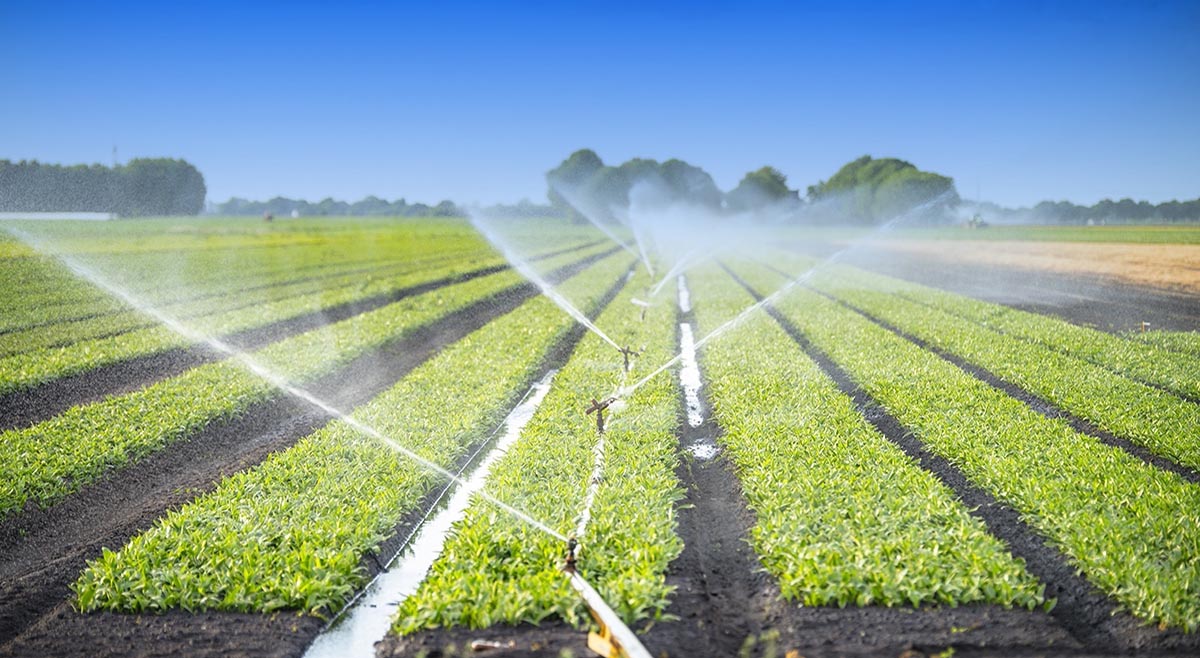
    Drought hurts farming everywhere. It makes crops die and animals suffer. People face a water problem that gets worse every year. The table below shows drought-free land areas dropped by almost 15% in twenty years. Moderate droughts keep getting bigger.   You need a way to get water when rain stops. Large atmospheric water generator for agriculture awg air water generator systems use air-to-water technology. They give you a steady and independent supply of freshwater. Atoh2o AWG helps you escape water shortages and gives you better water for farming. With atmospheric water generation, you can keep your farm safe from the water crisis. You can also protect your future in farming. AWG air water generator systems give you strength and dependability.   Key Takeaways Large AWG systems take clean water from the air. This gives farms water all the time, even when there is a drought. AWG technology helps farms use less water. It keeps local water safe. It also uses green energy for a better future. Using AWG with drip irrigation helps crops grow better. It saves water by sending it right to the roots.   Large Atmospheric Water Generator for Agriculture How Atmospheric Water Generation Works A large atmospheric water generator for agriculture awg air water generator makes water from air. It uses air-to-water technology. The machine pulls in air and changes it into freshwater. The science is easy to understand and very useful. Here is what happens: Condensation: The awg cools wet air until water forms. Water vapor turns into liquid water. This works best in places with lots of humidity. Big farms can use this step too. Adsorption: Some awg systems have special materials that grab water molecules. These materials can get water from dry air. This means you can use them even in deserts. Integration with Renewable Energy: Many awg systems use solar power or other green energy. This helps farms that want to use clean energy. If your water soluton including solar water generator, Atoh2o can help you. Atoh2o New materials help awg systems work better. Some use hydrogel membranes and liquid desiccants to catch and hold water. These designs can make enough water for several people in each square meter, even in dry areas. Next-generation awg units use very porous materials. They can work with small temperature changes, like day and night. This means you do not need much electricity. Remote farms can use them easily. A large atmospheric water generator for agriculture awg air water generator has important parts: Air intake systems with filters to clean the air. Cooling units to turn vapor into water. Filtration and disinfection to keep water safe. Tanks to store the freshwater. Solar panels or other green energy for power. Mineralization options to fit your farm’s needs. These features make awg systems safe and reliable for farms. You can use them in many places and climates.   Benefits for Agricultural Use Using a large atmospheric water generator for agriculture awg air water generator gives your farm many benefits. Here is a table with the main benefits: Benefit Category Description Independent Water Source AWGs take water from air, so you do not need rain, rivers, or wells. Alleviates Freshwater Stress You get more freshwater without hurting other water sources. Climate Resilience AWGs give you water during drought or climate change. Scalable Production You can pick a system that fits your farm, big or small. Water Quality Assurance AWGs clean and treat water, so it is safe for crops and animals. Sustainable and Clean Many AWGs use solar power, so you help the planet. Storage Capability Tanks let you save water for when you need it most.   AWG systems help you not depend on rain. They pull water from the air, which gets replaced every 9–10 days. This means you always have water, even if it does not rain. You do not have to worry about rivers or wells running out. Your crops and animals stay healthy.   AWG water is very clean. The system removes dust, germs, and viruses. The water is safe to drink, use for plants, or give to animals. Other water sources can get dirty or dry up, but awg gives you steady, clean water. You also help nature by not taking too much water from rivers or underground.   AtoH2o is a trusted company that makes awg systems for farms. Their products work for both drinking and watering crops. They are a smart choice for farms that want to be sustainable.   Drip Irrigation Applications You can use a large atmospheric water generator for agriculture awg air water generator with drip irrigation. Drip irrigation gives water right to the roots of plants. This saves water and helps plants grow strong. When you connect an awg to your drip system, you get these benefits: You give your crops fresh water all the time, even in drought. You waste less water because drip irrigation uses less than sprinklers. You get better crops because plants get water when they need it. You stop soil from washing away or losing nutrients. Here is a chart that shows how much water different awg models make each day: You can pick a system that matches your farm: Max Harvest 10,000: 10,000 gallons per day Max Harvest 20,000: 20,000 gallons per day Max Harvest 50,000: 50,000 gallons per day Customized Max Harvest: Up to 250,000 gallons per day Large farm setup (100 units): Up to 2,000,000 gallons per day AWG systems work all day and night, so your drip system always has water. You do not need to wait for rain or worry about water limits. You can grow more crops and keep animals healthy, even when times are hard.   Tip: Using awg with drip irrigation is a great way to save water and make your farm stronger against the world water crisis.   AWG systems help you fight the world water crisis. By making your own water, you do not take more from rivers or lakes. You help keep water safe for everyone. You also show others that farming can be smart and good for the planet. AtoH2o’s air-to-water technology is a good choice for farms that want to be ready for the future. Their systems are easy to add, grow, and take care of. You can count on them to give you clean water for your crops and animals, no matter the weather.   Sustainability AWG technology helps save local water sources. These systems pull water from the air. You do not need to take water from rivers or wells. This keeps more freshwater in nature and helps the environment. Using renewable energy lowers your carbon footprint. Newer AWG units use less energy and work in many places. Over time, you spend less money because you need less outside water.   Tip: AWG with solar power makes your farm greener and saves money.   Large AWG air water generators help keep your farm safe from drought. They also help your farm last a long time. You always have clean water you can trust. This means you do not use up local water. Your farm can handle tough weather better. Experts say to pick good systems and plan for repairs. You should also use help like AtoH2o’s guides and service. Look into AWG solutions to make sure your farm is safe for the future.

leave a message

leave a message
If you are interested in our products and want to know more details,please leave a message here,we will reply you as soon as we can.
submit

Home

Products

WhatsApp

contact