Atmospheric Water Generator solution provider
Home

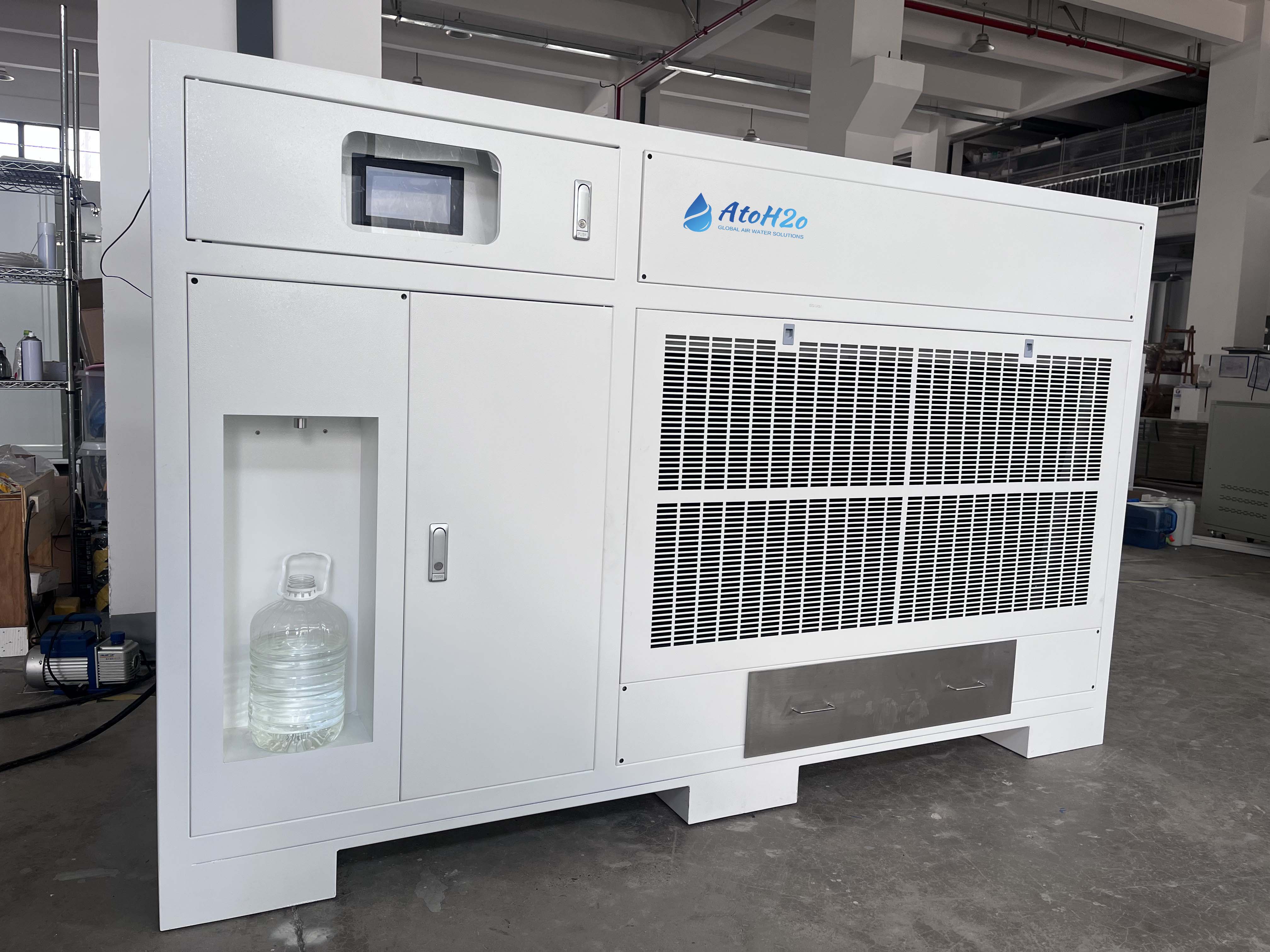
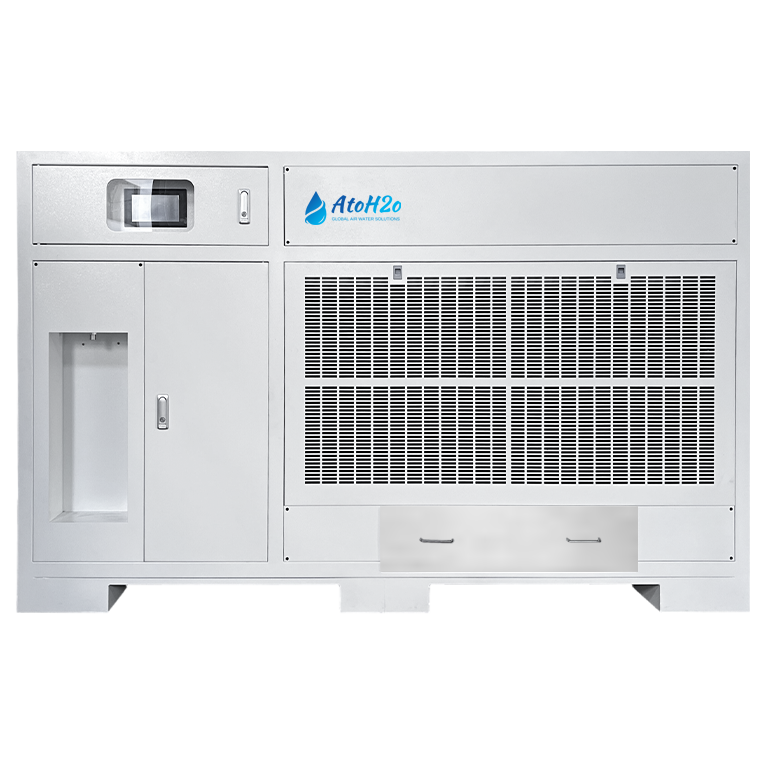
500L atmospheric water generator

500L atmospheric water generator

  • Air Water Generators: Turning Humidity Into a Reliable Water Source
    Air Water Generators: Turning Humidity Into a Reliable Water Source Jan 16, 2026
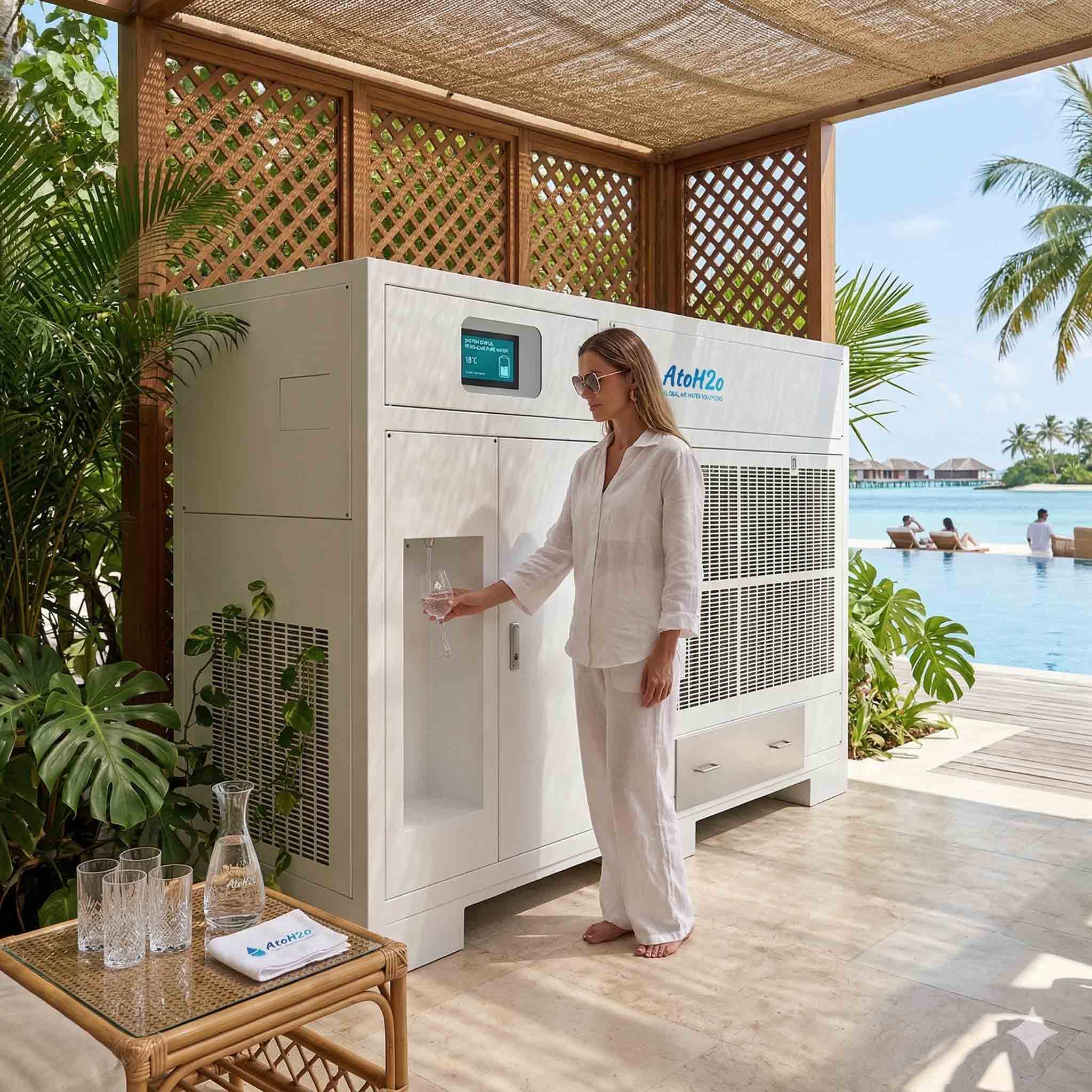
      In a world where water scarcity affects over 2 billion people and 1 in 4 children globally, innovative solutions to access clean water have become more critical than ever. Among these game-changing technologies, air water generators (AWGs) stand out as a revolutionary approach—converting atmospheric moisture into safe, drinkable water without relying on traditional water sources like rivers, lakes, or groundwater. How Do Air Water Generators Work?   At their core, 500L atmospheric water generator mimic nature’s water cycle but in a compact, controlled system. The process begins with drawing in ambient air through a fan, which is then filtered to remove dust, pollutants, and microorganisms. Next, the filtered air passes over a cooling coil, lowering its temperature to the dew point—the point at which water vapor condenses into liquid droplets. These droplets are collected in a reservoir, where they undergo further purification steps such as UV sterilization, activated carbon filtering, or reverse osmosis to eliminate bacteria, viruses, and impurities. The result is fresh, potable water that meets international drinking standards. Modern AWGs are equipped with advanced features to optimize efficiency. Many use energy-saving compressors and intelligent humidity sensors to adjust performance based on environmental conditions, ensuring consistent water production even in regions with moderate humidity (as low as 30-40%). Some models also integrate solar panels, making them ideal for off-grid locations, disaster zones, or remote areas where electricity is scarce. Solving Critical Water Challenges Across Industries Portable Atmospheric Water Generator address a wide range of water scarcity issues, making them versatile across sectors: Residential & Communities: For households in water-stressed regions or areas with contaminated groundwater, AWGs provide a self-sufficient water supply. They’re also popular in coastal communities where seawater intrusion ruins freshwater sources, offering an alternative to costly desalination. Outdoor & Adventure: Campers, hikers, and self-driving travelers rely on portable AWGs to access clean water in remote wilderness areas, eliminating the need to carry heavy water bottles or risk drinking unsafe natural water. Disaster Relief: During hurricanes, earthquakes, or droughts, traditional water infrastructure is often damaged or inaccessible. AWGs can be rapidly deployed to emergency shelters, providing immediate access to safe water for survivors and relief workers. Commercial & Industrial Use: Hotels, resorts, and remote work sites (such as construction projects or mining operations) use large-scale AWGs to meet daily water demands, reducing reliance on municipal water supplies or expensive water transportation. Agricultural operations in arid regions also utilize AWGs for irrigation, supporting crop growth without depleting local water reserves. Marine & Offshore: Ships, oil rigs, and offshore platforms—where freshwater is limited and resupply is costly—use AWGs to generate water for crew members, reducing logistical burdens and environmental impact. The Environmental & Economic Advantages Compared to traditional water supply methods, AWGs offer significant sustainability benefits. Unlike groundwater extraction, which can lead to aquifer depletion and land subsidence, AWGs harness an infinite resource: atmospheric moisture. They also consume less energy than desalination plants, which require intensive energy to remove salt from seawater, and produce no harmful byproducts. For off-grid models powered by solar or wind energy, the carbon footprint is even lower, aligning with global efforts to combat climate change. Economically, AWGs provide long-term cost savings. While the initial investment may be higher than traditional water solutions, they eliminate recurring costs such as water bills, transportation fees, or filtration system replacements. For businesses, this translates to improved profit margins and greater resilience against water price hikes or supply shortages. Innovations Shaping the Future of Air Water Generation As technology advances, AWGs are becoming more efficient, affordable, and accessible. Manufacturers are developing smaller, lightweight portable models for personal use, as well as large-scale systems capable of producing thousands of liters of water per day for communities and industries. Smart AWGs with IoT connectivity allow users to monitor water production, filter life, and energy consumption remotely, enhancing usability and maintenance. Research is also focused on expanding the range of operating conditions—developing AWGs that can function efficiently in extremely dry climates (below 30% humidity) and cold temperatures. Additionally, integration with energy storage systems (such as LiFePO4 batteries) ensures continuous operation during power outages, further increasing reliability.   Atoh2o Air water generators represent a paradigm shift in how we access clean water—turning a ubiquitous resource (air) into a lifeline for billions. From households to industries, from disaster zones to remote regions, this technology offers a sustainable, reliable solution to one of humanity’s most pressing challenges. As innovation continues to drive efficiency and affordability, AWGs are poised to play a pivotal role in building a water-secure future, ensuring that no one is left without access to the most essential resource for life. For businesses seeking to embrace sustainable water solutions or individuals looking to reduce reliance on traditional water sources, air water generators are more than a technology—they’re an investment in resilience, sustainability, and global well-being.  
  • Application of Air-to-Water Generators in Post-Disaster Reconstruction: An Effective Solution to High Temperatures
    Application of Air-to-Water Generators in Post-Disaster Reconstruction: An Effective Solution to High Temperatures Dec 26, 2025
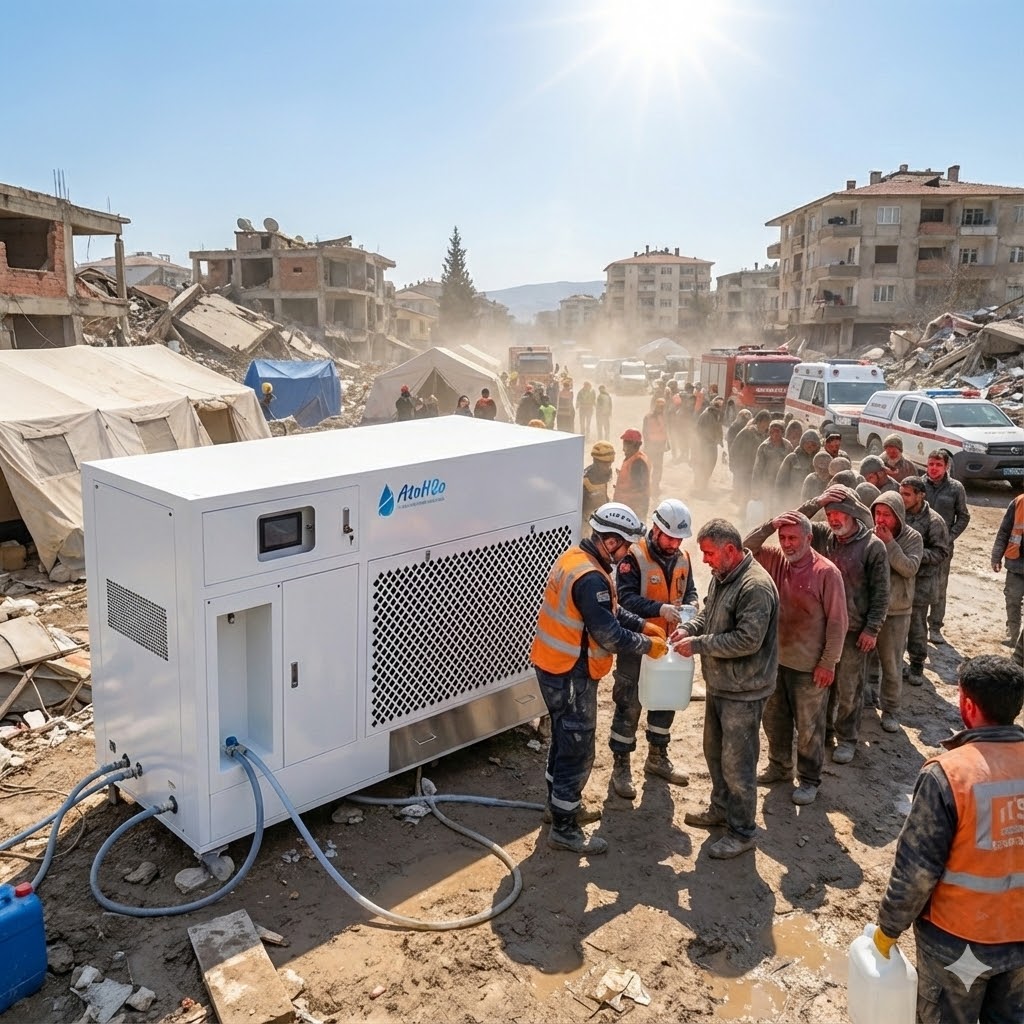
      With the intensification of global climate change, the frequency and intensity of natural disasters are gradually increasing. Especially under high-temperature conditions, droughts, floods, and other extreme weather events occur frequently, posing severe challenges to people's lives and survival. Against this backdrop, air-to-water generators, as an emerging water resource solution, are gradually gaining attention, particularly during post-disaster reconstruction, where their potential role is widely recognized. I. Working Principle of Air-to-Water Generators Air-to-water generators extract water from the air using water vapor. The equipment condenses water vapor in the air into liquid water through condensation technology, which then undergoes multiple filtration and disinfection processes, making the extracted water safe for drinking. Compared to traditional water sources, air-to-water generators can effectively address the problem of water scarcity in high-temperature environments.   II. Challenges Under High Temperatures Under high-temperature conditions, post-disaster reconstruction faces the following challenges:   Water Shortage: High temperatures accelerate water evaporation, leading to a sharp reduction in available water resources, especially in drought-affected areas.   Drinking Water Safety: Traditional water sources may be threatened by floods or pollution, necessitating the search for safe and reliable alternatives.   Resident Health Issues: High temperatures easily lead to health problems such as dehydration and heatstroke, requiring an urgent guarantee of sufficient drinking water.   III. Advantages of 500L atmospheric water generator In post-disaster reconstruction, air-to-water generators can effectively address the challenges posed by high temperatures through the following advantages:   Providing Independent Water Sources: Air-to-water generators do not rely on traditional water sources and can be self-sufficient in high-temperature weather and water-scarce areas, providing a stable drinking water supply to disaster-stricken residents.   Ensuring Drinking Water Safety: Through multiple filtration and disinfection processes, the water extracted by air-to-water generators is safe to drink, significantly reducing the risk of water source contamination.   Adapting to Various Environments: The flexibility of air-to-water generators allows for use in various environments, including temporary shelters, community centers, and on-site command centers, enabling rapid deployment.   IV. Practical Application Cases In post-disaster reconstruction in certain areas, Atmospheric water generator for agriculture have demonstrated excellent application results. For example, in a Southeast Asian country experiencing drought, the government and NGOs jointly deployed air-to-water generators to provide drinking water in temporary shelters and communities. Affected residents not only gained access to fresh water quickly, but the equipment was also relatively easy to operate and quick to learn.   Furthermore, in some disaster areas, traditional water treatment and transportation facilities were unable to function properly due to damaged infrastructure. The widespread adoption of air-to-water generators allowed residents in many remote areas to extract moisture directly from the air, alleviating the drinking water crisis and improving their quality of life.   V. Future Prospects Looking to the future, Atoh2o air-to-water generators have enormous potential for application in post-disaster reconstruction. With technological advancements, the energy efficiency and water extraction efficiency of the equipment will continue to improve, and costs will gradually decrease, making them easier to promote. In addition, air-to-water generators combined with renewable energy sources (such as solar energy) will further enhance their adaptability to high-temperature and drought environments, providing solutions to water crises caused by various climates.   In hot weather, air-to-water generators, as an innovative water source solution, can provide remarkable support for post-disaster reconstruction. Air-to-water generators will be an important tool for enhancing post-disaster recovery capabilities and helping to build more resilient communities and societies, addressing water shortages, ensuring safe drinking water, and improving the quality of life for residents.
  • How do air-to-water generators ensure the purity and health of every drop of water?
    How do air-to-water generators ensure the purity and health of every drop of water? Nov 21, 2025
    You can trust air-to-water generators to give you pure water every day. These machines use advanced purification steps so you always get water that is safe to drink. When you use atmospheric water generators, you avoid harmful chemicals and germs found in other sources. Water from air feels clean and fresh, helping you stay healthy. Clean water means better health for you and your family.   Key Takeaways Air-to-water generators provide pure drinking water by using advanced filtration methods that remove harmful contaminants. These machines work best in humid environments, making them a reliable water source in areas with high moisture levels. Regular maintenance, including filter changes and cleaning, ensures the water remains safe and fresh for consumption. The combination of UV sterilization and reverse osmosis guarantees water free from bacteria, viruses, and heavy metals. Choosing air-to-water generators supports environmental sustainability by utilizing atmospheric moisture and reducing reliance on traditional water sources.   Atoh2o Air-To-Water Generators: How They Work Capturing Water From Air You might wonder how air-to-water generators make water from air. These machines use smart technology that extracts moisture from ambient air. The process starts by pulling air into the system. Inside, the generator cools the air, condensing the humidity into water droplets. This step mimics how rain forms in nature. Some atmospheric water generators use salts or desiccants to help collect even more moisture, especially when the air is dry. Tip: Air-to-water generators work best in places with high humidity. In regions with lots of moisture in the air, these machines can serve as your main water source. In drier areas, you may only use them as a backup or during seasons when humidity rises. The efficiency of atmospheric water generators depends on the temperature and humidity around you. When the air is dry, the amount of water produced drops. If you live in a low humidity region, you might notice that these machines do not make as much water from air. This means air-to-water generators need ideal conditions to work at their best.   Initial Filtration Steps After collecting water from the air, the system uses a high-efficiency air filter to remove dust and particles. This first filtration step keeps the water clean from the start. The air-to-water generators then move the water through multi-stage filtration. You get extra protection against contaminants. Each filtration stage targets different impurities, so you can trust the water from air to be safe. You benefit from advanced filtration that removes bacteria, viruses, and other harmful substances. The process ensures that every drop meets high standards for purity. With these steps, atmospheric water generators give you fresh, healthy water, even in places with limited water resources.   Purification Process For Safe To Drink Water Multi-Stage Filtration You get clean drinking water from air-to-water generators because they use multi-stage filtration. This process removes dust, chemicals, and other impurities. Each stage targets a different type of contamination. You can see how the system works in the steps below: The anti-static air filter traps dust particles from the air. The pre-carbon water filter removes organic compounds and free chlorine. The post-carbon water filter protects the reverse osmosis membrane and removes more contaminants. The TCR filter adsorbs organic contaminants. The lower tank carbon filter keeps large impurities away from the water booster pump. Reverse osmosis eliminates micro impurities and harmful substances. Multi-stage filtration helps you get potable water that is free of heavy metals and safe for your family. You benefit from this advanced purification because it removes bacteria, viruses, and heavy metals. The system makes sure your water from air is clean drinking water every time.   UV Sterilization & Reverse Osmosis You need water that is free of bacteria and viruses. Atmospheric water generators use uv sterilization to make sure your water is safe. The system exposes water to UV light, which damages the DNA or RNA of microorganisms. This process, called uv purification, stops bacteria and viruses from multiplying. UVC light, especially around 254 nanometers, works best for sterilization. Studies show that uv sterilization can reduce viral loads by up to 99% in seconds. UV purification works in flow-through reactors, so all water gets enough exposure. UVGI targets bacteria like Escherichia coli and Staphylococcus aureus. It also inactivates viruses such as influenza and coronaviruses. Reverse osmosis is another important step in purification. You get potable water that is free of heavy metals like lead and asbestos. Reverse osmosis systems can remove up to 99% of contaminants. This level of filtration is much higher than traditional methods. You can trust that your clean drinking water is safe and pure. UV sterilization and reverse osmosis work together to protect you from contamination.   Mineralization & Taste After multi-stage filtration and uv purification, the water may taste flat. You want water that tastes fresh and natural. The mineralization step adds essential minerals back into the water. This process improves the taste and makes the water healthier for you. You get clean drinking water that is not only pure but also pleasant to drink. A table below shows how each step in the purification process helps you: Purification Step What It Removes Benefit to You Multi-stage filtration Dust, organic compounds, chlorine, large impurities Clean drinking water UV sterilization Bacteria, viruses, protozoa Water free of bacteria Reverse osmosis Heavy metals, micro impurities Water free of heavy metals Mineralization Adds minerals Better taste, health You can rely on air-to-water generators for clean drinking water that is free of contamination and safe for your family.   Storage & Dispensing In AtoH2o 250L Commercial Industrial Atmospheric Water Generator Image Source: pexels   Maintaining Water Quality You want your water from air to stay pure after filtration. Air to water generator use special storage tanks to keep water quality high. These tanks use conservation methods that prevent recontamination. Ozone treatment helps oxidize and remove toxins or contaminants that might remain after filtration. This process stops bacteria from growing inside the tank, so your water stays safe. The system also uses UV sterilization and charcoal filters to keep water fresh. You can trust these features to protect your health. Regular inspections help you spot any changes in color or particles. Home water testing kits let you check for contamination quickly. If you ever doubt the safety of your water, boiling it adds another layer of protection. Here is a table showing how each stage helps maintain water quality and safety: Stage Description Air Intake and Assessment The system draws air and checks moisture for best extraction. Condensation Humid air cools, forming water droplets. Filtration and Purification Water passes through filters to remove contaminants and ensure safety. Storage and Distribution Purified water stays in tanks with systems to prevent stagnation and keep it fresh.   Hygienic Dispensing You get clean water every time you use air-to-water generators because they focus on hygienic dispensing. The system uses sealed taps and food-grade tubing to prevent outside germs from entering. You can fill your glass or bottle without touching the inside of the dispenser, which keeps your water safe. To keep your atmospheric water generator working well, follow these steps: Clean air filters and water tanks often. Replace filters every 6 to 12 months, depending on use. Check for leaks or damage. Monitor taste, odor, and clarity. Follow the manufacturer's instructions for maintenance. These steps help you enjoy a consistent source of water that is safe and environmentally friendly. You get peace of mind knowing your water stays fresh and pure over time. Tip: Regular cleaning and filter changes keep your water safe and tasting great.   Comparing Water From Air To Other Sources Purity & Safety Standards You want the purest water for your family. Air-to-water generators give you water from air that often surpasses the quality of tap and bottled water. These machines use advanced filtration, including activated carbon and UV-C treatment, to remove contaminants and pathogens. You can trust the water because it meets or exceeds World Health Organization drinking water standards. Municipal tap water sometimes contains impurities, and bottled water can vary in quality. Some bottled water is just reprocessed tap water and may have unsafe levels of impurities. Air-to-water generators use multiple filtration layers for extra safety. You get consistent water quality that you can monitor in real time. The system keeps water free from bacteria, viruses, and heavy metals. You also benefit from strict safety standards. These systems check water purity, air quality, and microbial growth. They follow electrical safety rules to prevent hazards. You can feel confident that your water stays safe every day.   Health Benefits & Reliability You need reliable access to clean water. Air-to-water generators provide a steady supply, even in places with limited water sources. You get water from air, so you do not depend on rivers, lakes, or underground wells. These machines work well in emergencies and can help during water shortages. They use the moisture in the atmosphere, making them a sustainable choice. Here is a table comparing features of air-to-water generators with traditional water sources: Feature Description Value You save money over time with cost-effective water production. Capacity You get a consistent amount of water every day. Filtering Multi-stage filtration keeps your water safe to drink. Energy Needs You can use renewable energy to run the system, making it reliable in many settings. Quality You enjoy fresh, great-tasting water that meets safety standards. You also help the environment. Air-to-water generators use humidity to make water, which reduces waste and the ecological footprint. These systems can run on solar power, making them even more sustainable. You support water security in your community, especially in areas with scarce or polluted water. Tip: Choosing air-to-water generators gives you peace of mind and helps protect the planet.   You get pure and safe water every time you use air-to-water generators. You protect your health by following safety practices, such as changing filters and testing for bacteria. Many users trust these systems because they meet strict certifications. New models use smart monitoring and solar power, which make water production cleaner and more reliable. You help the planet and your family when you choose water from air as your daily source.   FAQ How often should you change the filters in an air-to-water generator? You should change the filters every 6 to 12 months. Check the manufacturer's guide for your model. Tip: Regular filter changes keep your water clean and safe.   Does water from air taste different than tap water? You may notice a fresher taste. Mineralization adds essential minerals, improving flavor. Many users prefer the taste of water from air over tap water.   Can you use air-to-water generators in dry climates? You can use them, but water output drops in low humidity. Humidity Level Water Production High More water Low Less water   What kind of maintenance do you need to perform? You need to clean the tanks, replace filters, and check for leaks.
  • Maintenance and Care Guide for Air Water Generators
    Maintenance and Care Guide for Air Water Generators Jul 04, 2025
      250L atmospheric water generator are devices that produce drinking water by extracting moisture from the air. Reasonable maintenance and care can not only extend the service life of the Atmospheric Water Generator Manufacturers, but also improve its working efficiency and ensure the safety of the water quality produced. Here are some practical maintenance and care suggestions.   1. Regular cleaning and disinfection Cleaning the water tank and filter: Check the water tank and filter regularly, and it is recommended to clean them every 1 to 2 months. Wash with warm water and neutral detergent, do not use strong acid or strong alkaline detergents. Disinfection: Perform a comprehensive disinfection every 3 to 6 months. Diluted bleach or special disinfectants can be used, and make sure to rinse thoroughly to avoid residue. 2. Monitor the status of the filter element Replace the filter element: Replace the filter element regularly according to the manufacturer's recommendations. Generally, the activated carbon filter element needs to be replaced within 6 to 12 months, while the HEPA filter element may need to be replaced every 1 to 2 years. Check the filter element blockage: If the device has a decrease in water flow or deterioration in water quality, it may be a sign of filter blockage and needs to be checked in time. 3. Pay attention to environmental humidity and temperature Suitable environment: The working efficiency of the air water machine is closely related to the environmental humidity and temperature. Keep the equipment working in an environment of 20 to 30°C and more than 50% humidity for best results. Avoid high temperature and quality change environment: Avoid placing the equipment in direct sunlight or high temperature environment, which may affect the components and efficiency of the machine. 4. Check components regularly Check the power cord and plug: Check the power cord and plug regularly for damage to ensure the safe use of the equipment. If any problems are found, replace or repair them in time. Observe the water flow and condensation: Check whether the machine is operating normally, observe whether the water flow is smooth, and whether the condensed water is discharged normally. If there is any abnormality, contact after-sales service in time. 5. Record usage Usage log: Record the usage of the equipment, including working hours, water output, filter replacement time, etc., to facilitate subsequent maintenance and troubleshooting. Pay attention to abnormal conditions: If the water quality is reduced, odor, abnormal noise, etc., it should be handled in time, and contact professionals for maintenance if necessary. 6. Storage and Relocation Proper storage: When not in use, ensure that the equipment is stored in a dry, cool place, and the power and water supply are turned off. Relocation Note: When moving the equipment, ensure that it is emptied to avoid residual water in the water tank. Handle it with care to avoid shock and vibration, and protect the customized parts from damage.   With regular maintenance and care, the 500L atmospheric water generator can continue to work efficiently and ensure that the drinking water produced is safe and hygienic. Following the above guidelines can effectively extend the service life of the equipment and maintain a stable water supply. If you encounter problems that cannot be solved during maintenance, it is recommended to seek professional technical support and after-sales service to ensure that the equipment is always in optimal operating condition.
  • Air water generator and air quality: a dual purification solution
    Air water generator and air quality: a dual purification solution Jun 13, 2025
      In modern fast-paced life, water and air are the basic elements of our survival. However, due to the accelerated industrialization and urbanization, water pollution and air quality have become global problems. Faced with these challenges, 500L atmospheric water generator, as an emerging technology, have solved the problems of water shortage and air quality in their own unique way, becoming an ideal choice for homes and offices. 1. The basic principle of air water generator The working principle of air water generator is to condense the moisture in the air into liquid water through condensation technology. The process usually involves the following steps:   Air intake and cooling: Air is sucked into the machine through a fan, and after passing through the cooling coil, the air temperature is reduced to below the dew point, and water vapor begins to condense into water droplets. Water collection: The condensed water is collected in a water storage tank, and after precipitation, it is filtered and disinfected to ensure the safety of water quality. Water quality filtration: Modern atmospheric water generator manufacturers are equipped with a multi-layer filtration system, including primary filtration, activated carbon filtration and UV disinfection to remove impurities and bacteria in the water. Through this series of processes, the air water machine can extract clean drinking water from the air. At the same time, many high-end models also have air purification functions, which can effectively improve indoor air quality.   Working principle of air water machine   2. Dual purification of air water machine and air quality   2.1 Air purification function Many air water machines can not only make water, but also have air purification functions. When working, these machines remove pollutants from indoor air, including dust, pollen, bacteria and viruses, through the air filtration system:   HEPA filter: High-efficiency particulate air (HEPA) filters can capture tiny particles as small as 0.3 microns and effectively remove harmful substances suspended in the air.   Activated carbon filter: Activated carbon can absorb odors and harmful gases in the air, such as toxic gases such as formaldehyde and benzene, to improve the freshness of indoor air.   Negative ion generator: Some air water machines are also equipped with negative ion water from air machine, which can generate negative ions to neutralize positive ions in the air, further improve air quality, increase indoor negative ion concentration, and improve living environment. This creates a healthier space for the family, especially in urban environments where low-quality air pollution can have an impact on the health of residents. By using an air water generator, both water and air can be purified, making every sip of water and every breath safer. 2.2 Water quality safety and health improvement With drinking water provided by an air water generator, consumers no longer have to worry about possible contamination from the water source. The air water generator takes multi-layer filtration measures to ensure water quality safety and avoids heavy metals and harmful microorganisms that may exist in traditional tap water.   Importance of healthy drinking water: Water is the source of human life, and clean drinking water is essential to maintaining good health. An air water generator can help families obtain fresh, pure water sources and reduce health problems caused by drinking unclean water. Improve the quality of life: Clean drinking water and air can significantly improve the health of family members, especially children and the elderly. For example, drinking enough water helps maintain the body's metabolism, while good air quality can reduce the incidence of diseases such as asthma and allergies. 3. Specific advantages of using an atmospheric water generator 3.1 Improve water resource utilization Global water shortage is a serious problem, and atmospheric water generators effectively improve water resource utilization by extracting moisture from the air. Using water vapor in the air, especially in humid areas, atmospheric water generators can operate efficiently and become a sustainable water source.   3.2 Ecological and environmental protection The use of atmospheric water generators has contributed to reducing the consumption of plastic bottled water. As more and more people are aware of the harm of plastic to the environment, choosing to use atmospheric water generators can effectively reduce the use of disposable plastics and help protect the ecological environment.   3.3 Cost savings Although the initial investment of an atmospheric water generator is relatively high, in the long run, it saves families money on water bills and the purchase of bottled water. In addition, the operating cost of an atmospheric water generator is low, and water can be supplied sustainably using resources such as electricity and air.   4. Future prospects of atmospheric water generators With the development of science and technology, atmospheric water generators are constantly innovating in terms of function and performance. In the future, we can expect the following trends:   Intelligence: Future air water generators will be more intelligent and can be remotely controlled and monitored through mobile phone applications. Some products may integrate Internet of Things (IoT) technology to simplify the user experience.   Energy-saving: The new generation of air water generators may use more advanced materials and technologies to improve energy efficiency, reduce energy consumption, and further reduce household operating costs.   Multi-functional integration: Future products may combine air water generation and air purification functions more closely, which can quickly provide clean water and fresh air to meet the higher living needs of families.   5. Conclusion As an innovative household device, air water generators not only provide families with safe and clean drinking water, but also improve indoor air quality with their unique dual purification functions. As people's requirements for quality of life continue to increase, the application prospects of air water generators in families are broad.   For health and environmental protection, choosing an air water generator may be a wise decision for every family in water and air management. In the future, it will create a healthier and more comfortable living environment for us, making every sip of water and every breath full of vitality.

leave a message

leave a message
If you are interested in our products and want to know more details,please leave a message here,we will reply you as soon as we can.
submit

Home

Products

WhatsApp

contact