Economic Analysis of Atmospheric Water Generator
Jun 06, 2025
As a new type of water acquisition technology, the atmospheric water generator can meet people's water needs by extracting moisture from the air. Especially in water-scarce and drought-stricken areas, the atmospheric water generator has shown great potential. However, in addition to technological innovation and environmental friendliness, economic efficiency is a key factor in determining its market promotion and popularization. This article will explore the initial investment, operating costs, water savings, and potential economic benefits of the atmospheric water generator, thereby providing a comprehensive analysis of its economic efficiency.
1. Initial investment
1.1 Equipment cost
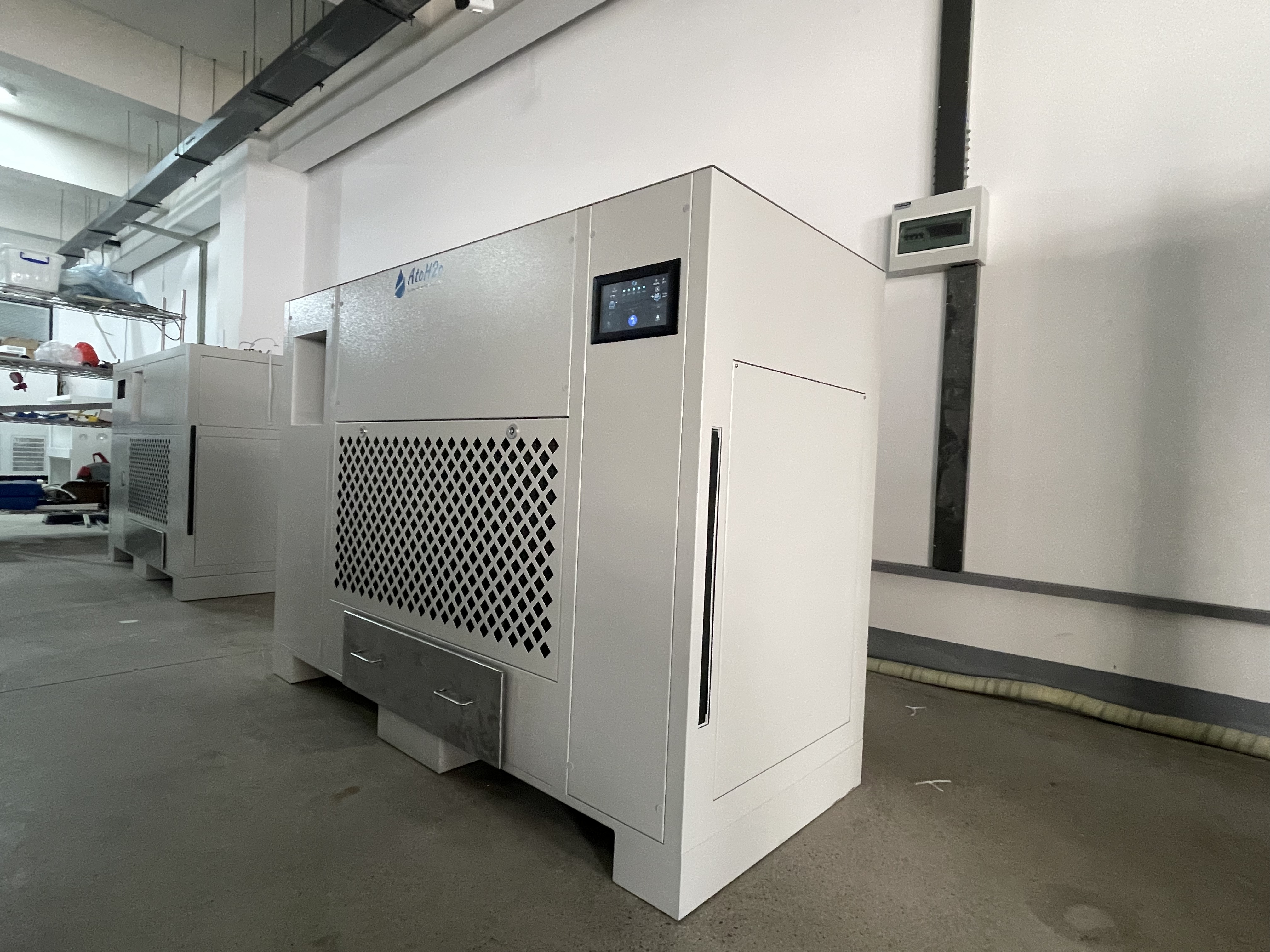
The initial investment of the atmospheric water generator mainly includes the equipment procurement cost. According to market research, the price of the atmospheric water generator ranges from several thousand yuan to tens of thousands of yuan, depending on the capacity and technical level of the equipment. Small household water generators are usually low-cost, while medium-to-large commercial or industrial-grade equipment is more expensive.
1.2 Installation and supporting facilities
In addition to the cost of the equipment itself, the installation cost is also a part that needs to be considered. The installation of the atmospheric water generator requires professionals, and the selection of equipment may require additional water quality testing and air quality assessment, which will increase the initial investment. In addition, the construction of related water storage systems, filtration systems and pipeline facilities may also involve additional costs.
2. Operating costs
2.1 Energy consumption
The operating costs of an residential atmospheric water generator mainly include electricity costs. The water production process requires a certain amount of electricity, and the specific energy consumption depends on the efficiency of the equipment and the frequency of use. Generally, the energy consumption of an atmospheric water generator when extracting water is several kilowatt-hours per liter of water. Consumers need to evaluate their electricity bills and frequency of use to fully understand the operating costs.
2.2 Maintenance and servicing costs
Maintenance and servicing are also an important part of operating costs. The atmospheric water machine needs to regularly clean and check the filters and water storage system to ensure the safety of water quality and the long-term operation of the equipment. Maintenance costs usually include the purchase of replacement filters, cleaning agents and other maintenance materials, and these expenses should be included in the economic analysis.
2.3 Water quality monitoring
Although the water source provided by the water generator from air is usually filtered and treated multiple times, it still needs to be monitored regularly to ensure that it meets drinking water standards. Water quality monitoring may require professional services, and the costs involved cannot be ignored.
3. Saved water costs
The use of air water generators can effectively reduce dependence on traditional water sources, especially in areas with high water resource charges. When households or commercial users can use air water generators to provide daily water, they can significantly reduce water bills. Especially in water-scarce areas, the use of water generators can help users save a lot of water costs.
3.1 Comparison of traditional water source costs
Compared with traditional tap water or well water, the water source costs provided by air water generators are usually lower. Users can evaluate the economic benefits by calculating the amount of water provided by air water generators and comparing them with the costs of traditional water sources.
3.2 Ecological and socio-economic benefits
In addition to direct water cost savings, the use of air water generators can alleviate the ecological and socio-economic pressures caused by water shortages. This has a positive impact on community development and the improvement of residents' quality of life, and to some extent reflects the indirect economic value of air water generators.
4. Economic benefit analysis
4.1 Payback period
The investment payback period of air water generators can be calculated by analyzing the initial investment, operating costs and water cost savings. Generally speaking, the shorter the payback period, the more prominent the economic benefits of the investment. When making decisions, consumers need to comprehensively consider the service life of the equipment, the expected water cost savings and its changing trends.
4.2 Long-term value
Although the initial investment is high, the long-term value of the atmospheric water generator cannot be ignored. With the continuous development of technology, the maintenance costs and energy consumption of the equipment are expected to decrease, making the long-term operating costs more considerable. In addition, in the case of continued shortage of unconventional water resources, the atmospheric water generator will show greater market potential and economic value.
In summary, the economic analysis of the atmospheric water generator involves multiple aspects, including the comprehensive consideration of initial investment, operating costs and water cost savings. Despite the relatively high initial investment, with the improvement of equipment technology, the reduction of operating costs and its important role in water resource management, the atmospheric water generator has shown good market prospects and economic benefits. Through reasonable investment and scientific use, the atmospheric water generator will provide its users with a sustainable water source solution to help communities cope with the increasingly serious water shortage problem.






 Network Supported