100L atmospheric water generator showdown for 2025
Dec 05, 2025
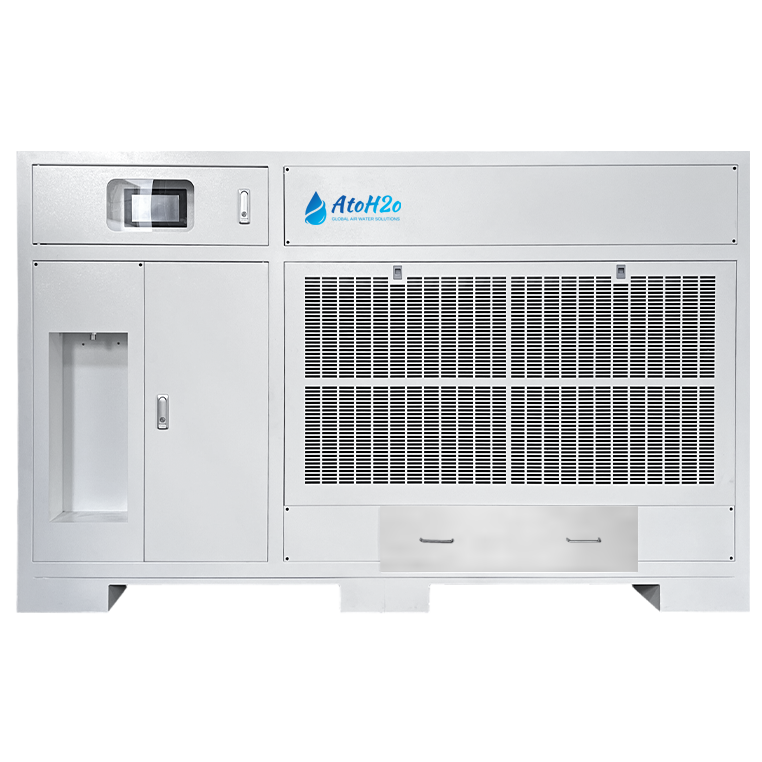
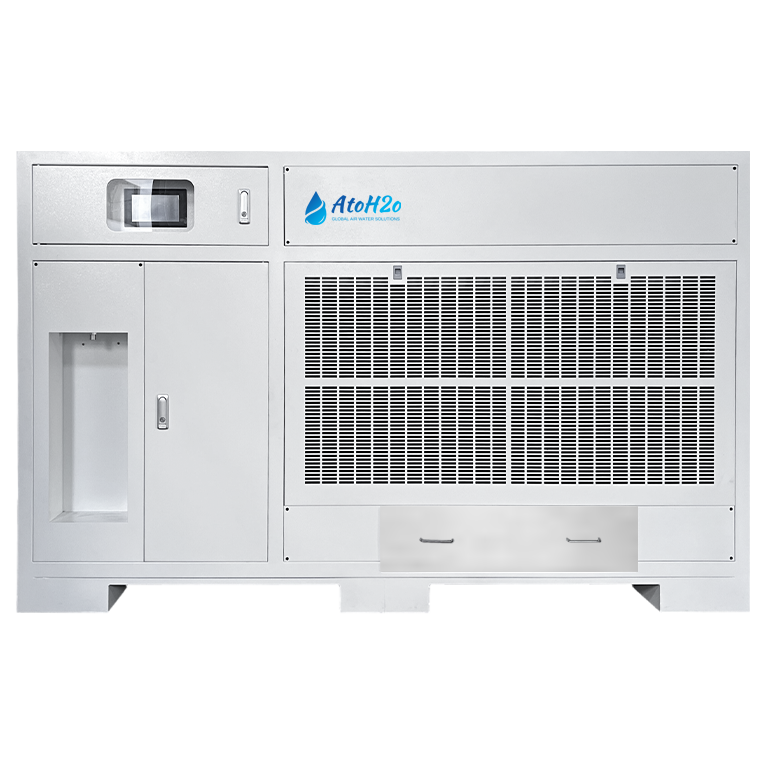
You want the best 100L atmospheric water generator for 2025, right? Check out these top picks:
Aquaria Hydropack
Solaris WaterGen A10/A20D
Watergen GEN-L
Genesis WaterCube 1000
100L Solar Power AWG
Some run on solar power, some offer plug-and-play design, and some work great off-grid.
Key Takeaways
100L Drinking Water Solutions provide a reliable water source by extracting moisture from the air, making them essential in areas facing water scarcity.
When choosing a model, consider factors like daily water output, energy efficiency, and filtration quality to find the best fit for your needs.
Solar-powered options not only save energy but also reduce carbon emissions, making them an eco-friendly choice for sustainable water solutions.
Why Choose a Atoh2o 100L Atmospheric Water Generator?
Modern Water Needs
You probably notice how water is becoming a bigger concern every year. Cities and towns face droughts more often. Industries need huge amounts of clean water to keep running. Families want safe drinking water without worrying about contamination. The demand for atmospheric water generators keeps rising because technology is getting better and people are more aware of water shortages. In fact, the market for these machines is growing fast. Most of the demand comes from industries, which made up almost three-quarters of the market in 2023. Commercial businesses are also jumping in, especially with smart city projects popping up everywhere.
You might wonder why so many people and companies are switching to atmospheric water generators. The answer is simple: these machines give you water straight from the air. You don’t need pipes or wells. You get a reliable supply even if your local water source dries up or gets damaged.
Benefits in 2025
Here’s why you should consider a 100L atmospheric water generator for the future:
It creates water on-site, so you don’t have to worry about delivery or storage.
You get clean, drinkable water, which helps fight water scarcity.
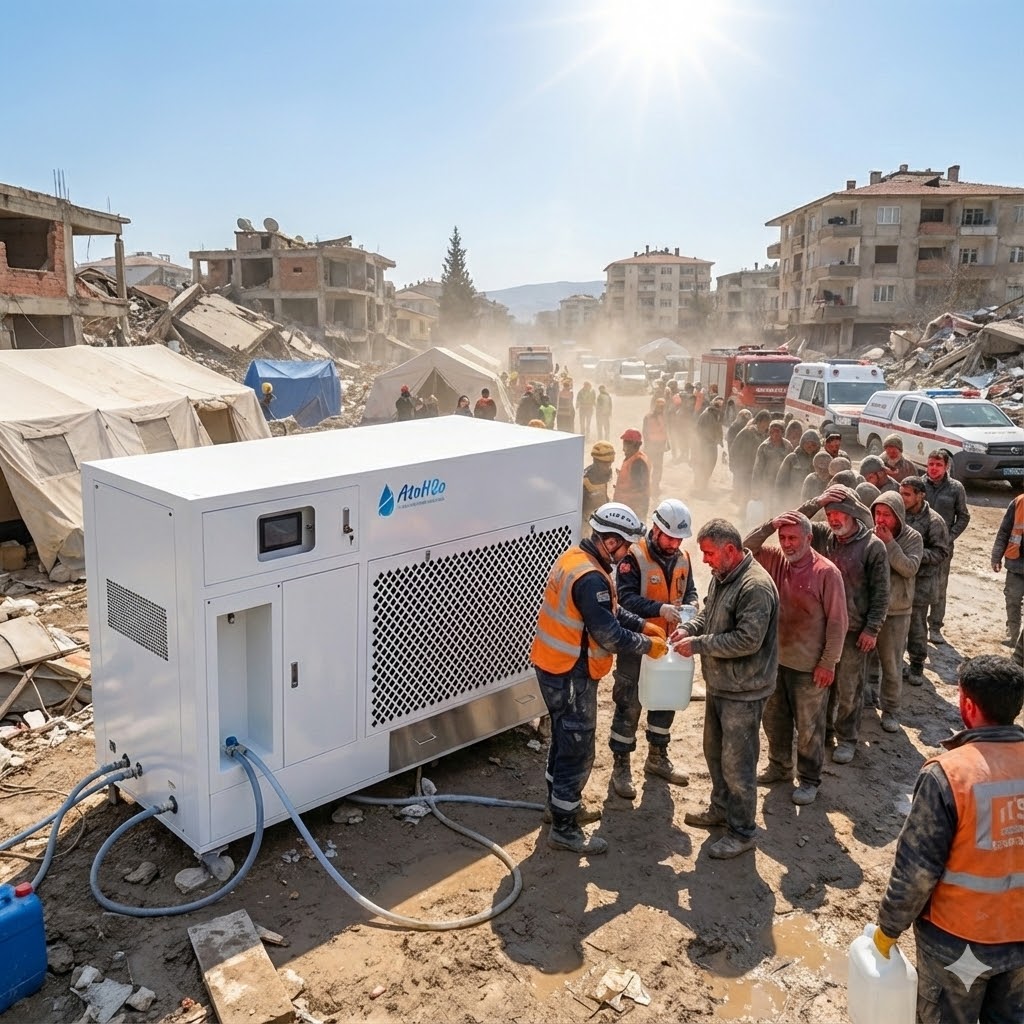
The machine works even in tough conditions, like droughts or disasters.
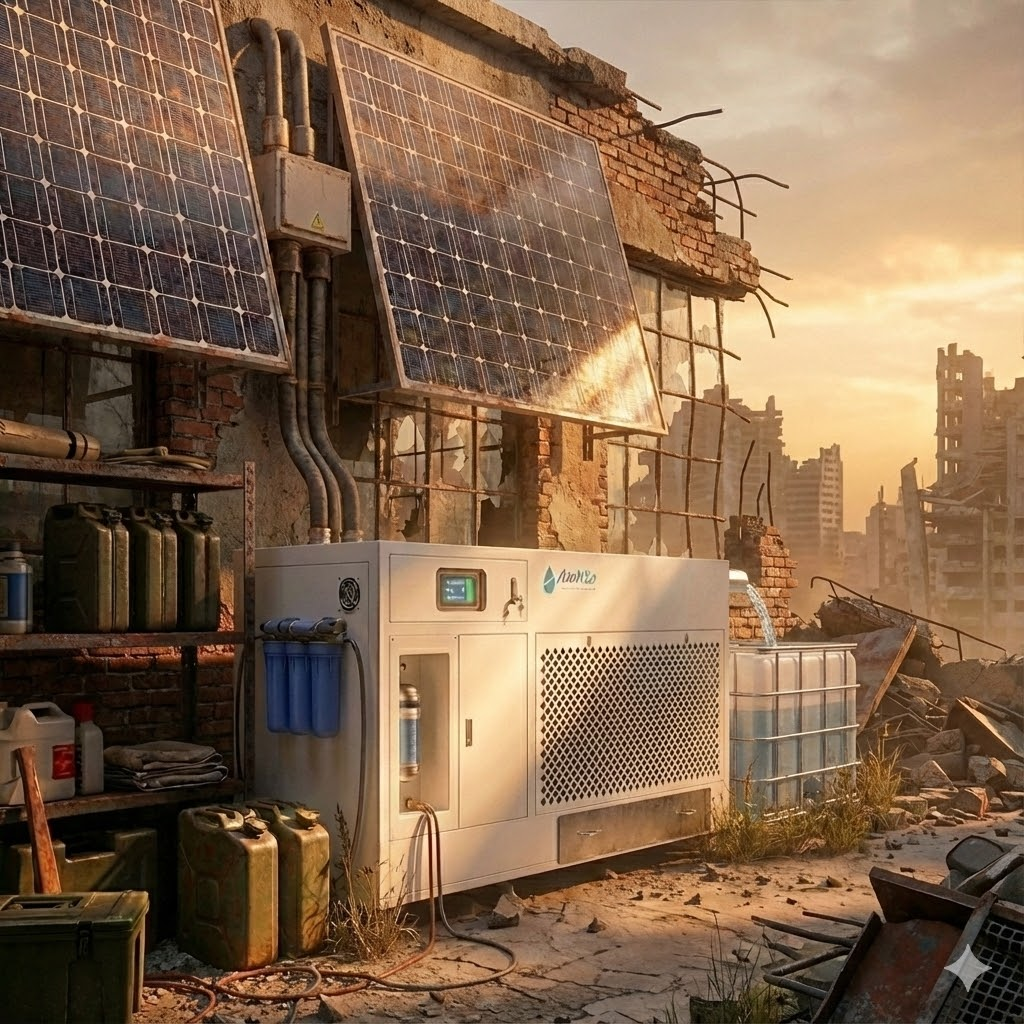
Solar-powered models save energy and help the environment.
You cut down on carbon emissions and transportation costs.
As the world’s population grows and water reserves shrink, these generators become even more important for a sustainable future.
A 100L atmospheric water generator gives you peace of mind. You know you’ll have water when you need it, no matter what happens around you.
Comparison Criteria
When you compare 100L atmospheric water generator models, you want to look at several key factors. These help you find the best fit for your needs, whether you want water for your home, business, or off-grid setup.
Output & Efficiency
Water output tells you how much water the machine can make each day. Some models produce exactly 100 liters, while advanced ones can go up to 130 liters. Energy efficiency matters too. If you choose a model with improved efficiency, you save money on electricity and help the environment.
Tip: Higher output and better efficiency mean you get more water for less energy.
Filtration & Quality
Clean water is a must. Most machines use multi-stage filtration, like UV, RO, and HEPA systems. These remove organic, inorganic, and microbial contaminants. Some studies show that even in polluted areas, these systems can deliver safe drinking water. Still, you should check for features like UV sterilization and regular monitoring.
Reliability & Maintenance
You want a machine that works well and lasts long. Regular cleaning of air filters and water tanks keeps things running smoothly. You should also check and replace filters as needed. Watch for leaks and follow the manufacturer’s guidelines to keep your device in top shape.
Cost & Features
Price matters, but so do features. Some brands offer smart functions like hot water, TDS monitoring, self-cleaning, and filter life display. Compare costs and features to find the right balance for your budget and needs.
Top 100L Atmospheric Water Generator Models
Aquaria Hydropack
If you want a machine that can handle big water needs, the Aquaria Hydropack stands out. This model can produce up to 132 gallons (500 liters) of water every day, which is much more than most 100L atmospheric water generator options. You can use it with solar panels or batteries, so it works well off-grid or in places where power is unreliable. The Hydropack uses about 0.93 kWh for each gallon, which means you spend less on electricity. You get a plug-and-play design, so setup is simple.
Strengths:
High water output, great for large families or businesses.
Works with solar and battery systems for flexible use.
Easy installation, no permits needed.
Advanced filtration gives you water that beats EPA standards.
You can make water continuously or store it for later.
Weaknesses:
Water production drops in dry climates.
Needs temperatures between 59-109 °F (15-43 °C) to work best.
May not be ideal for places with low humidity.
Best Use Cases:
Commercial buildings, farms, or off-grid homes.
Disaster relief or emergency water supply.
Anyone who wants a reliable water source without complicated setup.
Feature Description
Benefit
Generates thousands of gallons of fresh water from the air
Reliable water source for commercial or off-grid use
Flexibility in water usage
Make water continuously or stockpile it
Integration with solar power systems
Lower costs and better sustainability
No permits needed for installation
Easy setup for everyone
High-quality water filtration
Clean water, safer for health
Solaris WaterGen A10/A20D
You might like the Solaris WaterGen A10 or A20D if you want something smaller and energy-efficient. The A10 makes up to 10 liters of water a day and uses only 200 watts. The A20D doubles the output, giving you 20 liters daily. These models work best in places with humidity between 31% and 80%. They are easy to move and set up, so you can use them in homes, offices, or small shops.
Strengths:
Low energy use, good for saving money.
Compact size, easy to fit in small spaces.
Works well in moderate to high humidity.
Simple controls and maintenance.
Weaknesses:
Lower water output compared to other 100L atmospheric water generator models.
Not ideal for large families or businesses.
Needs decent humidity to work well.
Best Use Cases:
Apartments, small offices, or mobile setups.
Places with steady humidity.
Users who want a portable water solution.
Model
Water Output (liters/day)
Energy Consumption (watts)
Solaris A10
10
200
Solaris A20D
20
N/A
Solaris A35
35
N/A
Watergen GEN-L
If you need a powerful and advanced system, Watergen GEN-L is worth a look. This model can make up to 6,000 liters of water per day, which is huge for a 100L atmospheric water generator. It uses special technology to pull water from the air and gives you high-quality drinking water. You don’t need plumbing, so it’s perfect for off-grid use. You can connect more units together if you need even more water.
Strengths:
Produces lots of water, great for big operations.
No plumbing needed, easy to install anywhere.
Reduces plastic waste and helps the environment.
Can link with other units for bigger water needs.
Weaknesses:
Needs specific climate conditions (at least 15°C and 20% humidity).
Uses a lot of power (400W per liter).
Large and heavy, not easy to move.
High initial cost and maintenance can vary.
Best Use Cases:
Factories, hospitals, or community water systems.
Off-grid living or places with no plumbing.
Projects that need lots of clean water every day.
Advantages
Disadvantages
High-quality drinking water produced from the air
Needs specific climate conditions for best results
Unique technology, up to 6,000 liters/day
High power consumption
Off-grid solution, no plumbing
Large size and heavy weight
Environmentally friendly
High upfront cost
Can integrate with other units
Maintenance costs may vary
Genesis WaterCube 1000
Genesis WaterCube 1000 is built for commercial and industrial use. You get more than 1,000 gallons of water every day, so it’s perfect for big farms, factories, or even military bases. You can stack and mix systems to match your water needs. The WaterCube uses patented technology to pull water from the air and has strong filtration to keep water safe, even from chemical or biological threats.
Strengths:
Handles large-scale water needs for businesses or communities.
Stackable and flexible for different setups.
Reliable, industrial-grade design.
Military-grade version available for tough environments.
Advanced filtration for extra safety.
Weaknesses:
Too big for most homes.
Higher cost and maintenance for industrial models.
Needs space for installation.
Best Use Cases:
Agriculture, hospitals, or disaster relief.
Military bases or community water systems.
Places that need water independence and reliability.
Feature
Description
Water Production
Over 1,000 gallons/day, fits large operations.
Applications
Great for agriculture, disaster relief, and communities.
Reliability
Industrial-grade, very dependable.
Military-grade version
Extra durability and protection.
Atmospheric Water Generation
Patented tech pulls water from the air.
100L Solar Power AWG
If you want a green solution, the 100L Solar Power AWG is a smart pick. This model uses both electricity and solar power, so you save energy and help the planet. You can choose from three versions: Base, Advanced, and Pro. The Pro model gives you up to 104 liters of water every day, with solar efficiency reaching 22%. The system works best in places with at least 40% humidity and temperatures between 20°C and 30°C. If you live somewhere dry or cold, you might need extra energy sources.
Strengths:
Solar hybrid design saves energy and lowers costs.
Three models to match your water needs.
Good daily output for homes or small businesses.
Eco-friendly and reduces carbon footprint.
Weaknesses:
Needs good sunlight and humidity to work well.
Batteries add cost and need regular care.
May not run well during long cloudy periods.
Hybrid systems can be more expensive upfront.
Best Use Cases:
Off-grid homes or eco-friendly businesses.
Places with steady sunlight and humidity.
Users who want to lower their environmental impact.
Feature
Specification
Capacity
100 liters
Power Source
Electric + Solar Hybrid
Solar Efficiency
15% (Base), 18% (Advanced), 22% (Pro)
Daily Output
80L (Base), 92L (Advanced), 104L (Pro)
Limitation
Description
Dependency on environmental conditions
Performance drops with low humidity or cold weather.
Optimal operating conditions
Best in 40%+ humidity and 20°C-30°C temperatures.
Reliability in dry or cold climates
May need extra energy sources in tough climates.
Cost and maintenance of batteries
Batteries add cost and need regular care.
Limited runtime during low-sun periods
Cloudy days can limit water production.
Complexity of hybrid systems
Hybrid design can mean higher upfront and running costs.
If you want a 100L atmospheric water generator that fits your lifestyle, you have plenty of choices. Some models work best for homes, others for businesses or off-grid living. You can pick based on water output, energy use, and how easy it is to set up and maintain.
100L Atmospheric Water Generator Comparison Table
You want to see how these top models stack up side by side? This table makes it easy for you to compare the most important features at a glance. Just look for what matters most to you—maybe you care about energy use, or maybe you want the smartest features for your setup.
Model
Daily Output
Power Use (kWh)
Filtration System
Reliability
Maintenance Cost
Smart Features
Hot/Cold Water
Aquaria Hydropack
Up to 500L
0.93/gallon
Multi-stage, UV, RO
High
Moderate
Plug-and-play, solar-ready
Yes
Solaris WaterGen A10/A20D
10-20L
0.2-0.4/day
HEPA, UV
Good
Low
Portable, simple controls
Yes
Watergen GEN-L
Up to 6000L
400W/liter
Advanced, UV, RO
Very High
High
Modular, remote monitoring
Yes
Genesis WaterCube 1000
1000L+
2-2.7/day
Patented, multi-stage
Industrial-grade
High
Stackable, military-grade
Yes
100L Solar Power AWG
80-104L
1.5-2/day
Multi-stage, UV
Good
Moderate
Solar hybrid, TDS monitor
Yes
Tip: If you want lower maintenance costs, Solaris WaterGen A10/A20D keeps things simple. For smart features like remote monitoring or solar hybrid, check out Watergen GEN-L or the 100L Solar Power AWG.
You can see that all these models offer hot and cold water options. Most work best in temperatures between 15°C and 38°C and humidity above 40%. If you want the most water, look at the Aquaria Hydropack or Watergen GEN-L. If you want to save on energy, Solaris WaterGen A10/A20D or the 100L Solar Power AWG might fit your needs.
Choosing the Best 100L Atmospheric Water Generator
For Home Use
You want a water generator that fits your daily needs and keeps things simple. Look for models with low energy use and easy maintenance. Many homeowners choose units with a daily output of 10 to 100 liters. You should check if the machine works well in your local humidity. Make sure it has a good filtration system that meets WHO standards. You also want clear instructions and support if you need help.
Tip: The Solaris WaterGen A10 and A20 are popular for homes. They offer affordable prices and easy monthly payments.
For Commercial Use
If you run a business, you need more water and stronger features. You should focus on these points:
Daily water production that matches your demand.
Machines that work well in your climate.
Energy efficiency to save money.
High-quality filtration and mineralization.
Storage and dispensing options.
Cost and long-term value.
Durability and warranty.
Certifications like ISO 9001 and NSF/ANSI.
You can also check if the generator connects to your building’s water system.
For Off-Grid Living
Living off-grid means you need a reliable water source. You should pick a model that works with solar power or batteries. The Aqua Tower stands out for off-grid use. It produces up to 60 gallons a day, even in tough conditions. You want a unit that adapts to humidity and has strong support.
Model
Daily Output (Gallons)
Notes
SunToWater
2.8
Output varies with weather
Aqua Tower
60
Works well off-grid, even during drought
For Budget Buyers
Saving money matters to you. The Aqua Tower is easy to build and costs less than $200 in materials. You can assemble it in under an hour. It comes with a digital guide and clear instructions. If you want a ready-made option, the Solaris WaterGen A10 and A20 offer good deals and monthly payments.
Aqua Tower: Portable, independent, and affordable.
Solaris WaterGen A10: $1,490, as low as $85/month.
Solaris WaterGen A20: $2,290, as low as $109/month.
You have many choices when picking a 100L atmospheric water generator. Think about your needs, climate, and budget before you decide.
You have lots of choices for 100L atmospheric water generators in 2025. The top picks stand out because they use advanced technology, save energy, and offer clean water. Check out the table below for key benefits:
Feature
Why It Matters
Advanced Cooling
Makes water from air easily
Multi-stage Filtration
Keeps water safe to drink
Eco-Friendly
Cuts plastic waste
Want more details or purchase options? Explore these resources:
FAQ
How much electricity does a 100L atmospheric water generator use?
Most models use about 1–2 kWh per day. If you pick a solar-powered unit, you can save even more on your energy bill.
Can you drink the water straight from the machine?
Yes, you can! These machines use strong filters and UV light. The water comes out clean and safe for drinking.
What happens if the air is too dry?
You might get less water on dry days. Some machines work better in higher humidity. Always check the specs before you buy.






 Network Supported